Retevmo selpercatinib Home
  • Prescribing Information
  • Patient Prescribing Information
  • Instructions for Use
Menu closed
Retevmo selpercatinib Home
  • Prescribing Information
  • Patient Prescribing Information
  • Instructions for Use
Globe Loading... Reveal available languages
  • House For Patients
    • Understanding Biomarker Testing
    • How Retevmo Works
    • Retevmo in NSCLC
    • Retevmo in Thyroid Cancer
    • Retevmo in Other Cancers
    • Taking Retevmo
    • Savings & Support Resources
    • Patient Story
    • Pricing Information
  • For Healthcare Providers
    • Safety & Tolerability
    • Dosing
    • Savings & Support
Ask Lilly

We're here to help.

Phone Call:
1-800-LillyRx
(1-800-545-5979)
Expand contact lilly

What is Retevmo?

Retevmo is a targeted cancer therapy; it is not chemotherapy

Targeted therapies aim to block the specific driver of your cancer. Retevmo is a prescription oral therapy that was designed to block the primary driver of tumor growth in RET-positive advanced non-small cell lung cancer (NSCLC), thyroid cancers, and certain other cancers.

Retevmo may affect both healthy cells and tumor cells, which can result in side effects, some of which can be serious.

RET=rearranged during transfection.

How retevmo works
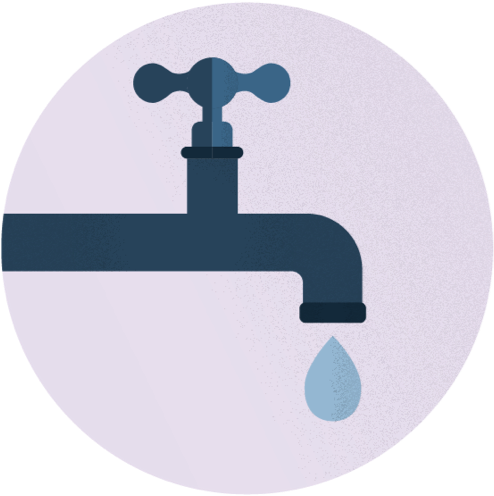
Dripping faucet

How Retevmo works

Retevmo is designed to turn off the production of RET in certain RET-driven cancers

There are different genomic alterations, or changes, that may be driving your cancer. A genomic alteration means that the genes in some of your cells have changed and may be abnormal. An alteration may occur in a gene called RET (rearranged during transfection).

We all have RET in our bodies, similar to how we all have faucets in our homes. When a person has a RET alteration, it’s like that faucet gets stuck in the “on” position, allowing water to spread, just as RET alterations allow cancer to grow. Retevmo acts like a wrench that helps turn the faucet off.

Learn more about how Retevmo works in certain RET-positive cancers

00:00-00:14

[Retevmo logo element rotates clockwise and indications appear on screen]

Caption: Retevmo® | selpercatinib tablets | 40 mg • 80 mg • 120 mg • 160 mg | A Lilly Medicine

INDICATIONS

What is Retevmo?

Retevmo is a prescription medicine that is used to treat certain cancers caused by abnormal RET genes in:

  • adults with locally advanced non-small cell lung cancer (NSCLC) or NSCLC that has spread
  • adults and children 2 years of age and older with advanced medullary thyroid cancer (MTC) or MTC that has spread, who require a medicine by mouth or injection (systemic therapy)
  • adults and children 2 years of age and older with advanced thyroid cancer or thyroid cancer that has spread who require a medicine by mouth or injection (systemic therapy), and who have received radioactive iodine and it did not work or is no longer working
  • adults and children 2 years of age and older with locally advanced solid tumors (cancers) or solid tumors that have spread, and have gotten worse (progressed) on or after other treatment or there are no satisfactory treatment options*

Your healthcare provider will perform a test to make sure that Retevmo is right for you.

It is not known if RETEVMO is safe and effective when used:

  • in children younger than 2 years of age, or in children with other conditions.

*Retevmo was approved based on the percentage of patients whose tumor size shrank or disappeared after treatment and how long the response lasted. Studies are ongoing to confirm the benefit of Retevmo for this use.

Please read and listen to the Indications and Safety Summary following this video.

RET=rearranged during transfection.

00:14-00:34

[Retevmo logo increases in size and slides to the center of the screen. Other text appears below it]

Narrator: Receiving your diagnosis and learning about your treatment options can be overwhelming. To help you better understand RETEVMO as a treatment option, this video will explain the importance of biomarker testing, what RET is, and how RETEVMO works.

Caption: Retevmo® | selpercatinib tablets | 40 mg • 80 mg • 120 mg • 160 mg | A Lilly Medicine

In this video, you’ll learn about

  • Biomarker testing
  • RET gene
  • How Retevmo works

RET=rearranged during transfection.

00:34-01:17

[T-shaped pieces of DNA strands float into frame against a blue background. These pieces join and wind together to form double spirals, the shape of DNA.]

Narrator: Not everyone's cancer is the same. Certain cancers can be driven by a genomic alteration or change in your cancer's DNA. A genomic alteration means the genes in some cells have changed and may be cancerous. If your cancer is driven by a genomic alteration, there may be additional treatment options available to you. To see if your cancer is being driven by an alteration, your doctor will need to order a biomarker test. Certain biomarker tests require your doctor to biopsy the tumor, which means removing some tissue or blood for testing. If your tumor has been biopsied previously, some tissue may already be available for testing.

01:17-01:37

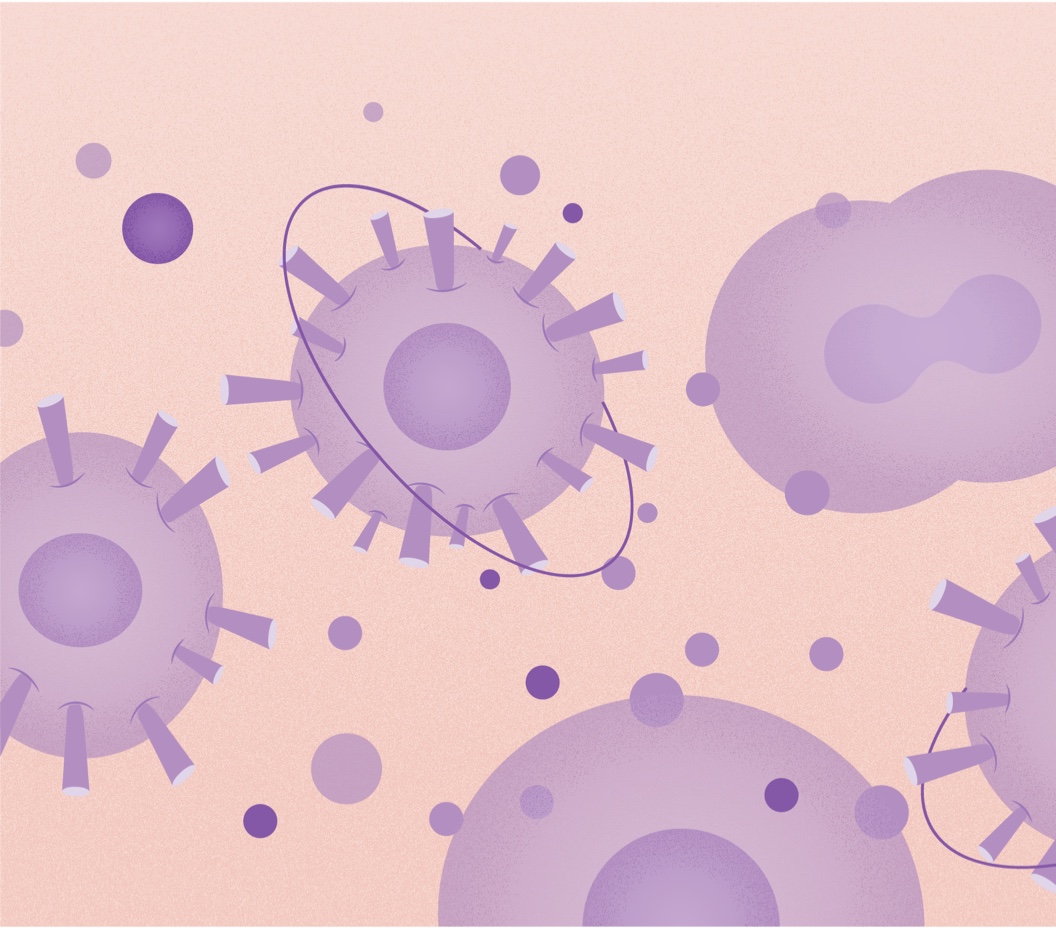
[A round cell (healthy cell) floats and revolves in the center of the frame. It has rod-shaped structures on its surface. The RET gene is shown as red dots produced by the rods. Lights on these rods begin to flash and blink as they produce more RET. This process continues as the cell divides into two]

Narrator: After your biomarker test is completed, you will start to learn if your cancer is driven by a genomic alteration. An alteration may occur in a gene called RET. But what exactly is RET? RET or "rearranged during transfection" is a gene that everyone has and produces in their body.

Caption: Healthy cell. RET (pointing to a red RET image inside the cell).

01:37-01:56

[All the rods on both cells now start producing RET. The lights on some of these rods stay on continuously instead of blinking. The red dots representing RET collect in the cells, which are simultaneously and uncontrollably multiplying. Blood vessels wind their way through the mass of multiplying cells as they form a cancerous tumor]

Narrator: Normally, your body is able to manage the production of RET. But when your body has a RET alteration it can't control or turn off how much RET is produced. This can cause a RET-positive tumor to form. There are treatment options approved to treat RET-positive cancers.

01:56-02:09

[Small purple globes of Retevmo float into the frame and are absorbed by the cancerous cells. The frame zooms into one of the cells. Once within the cell, the Retevmo bubbles fit into the ends of some of the rods, like a key into a lock. This turns off the light on the rod (which were previously either flashing or continuously on), and stops the production of RET]

Narrator: One of those treatments is Retevmo. Retevmo was designed to work by slowing or stopping the overproduction of RET in these cancerous cells, which may stop or slow a tumor's growth.

Caption: Retevmo may affect both healthy cells and tumor cells, which can result in side effects, some of which can be serious.

Retevmo® | selpercatinib

02:09-02:30

[The cancer cell begins to wither and shrink in size, slowly fragmenting into pieces and then disappearing as Retevmo exerts its action. Other cells also meet the same fate]

Narrator: Retevmo may affect both healthy cells and tumor cells, which can result in side effects, some of which can be serious. Retevmo is a targeted therapy, which means it is designed to turn off the production of RET in certain RET-driven cancers. Targeted therapies aim to block the specific driver of your cancer, such as RET.

Caption: Retevmo may affect both healthy cells and tumor cells, which can result in side effects, some of which can be serious.

02:30-02:38

[Many purple bubbles of Retevmo merge to form the 160 mg tablet. The 120 mg, 80 mg, and 40 mg tablets also appear one after the other, in a line on the screen]

Narrator: Retevmo is not a chemotherapy, immunotherapy, or radiation therapy, and can be taken at home.

Caption: Retevmo® | selpercatinib tablets | 40 mg • 80 mg • 120 mg • 160 mg | A Lilly Medicine

Caption: Lilly | A MEDICINE COMPANY

02:38-02:50

[The tablets continue to stay on screen. Retevmo logo appears at the bottom left of the screen; Lilly logo appears at bottom right of the screen]

Narrator: Retevmo is taken orally by itself and not in combination with additional cancer therapies. Talk to your doctor and see if Retevmo may be a treatment option for you.

Caption: For visual representation only; tablets shown are not actual size.

TALK TO YOUR DOCTOR AND SEE IF RETEVMO MAY BE A TREATMENT OPTION FOR YOU

02:50-17:17

Narrator and Caption:

INDICATIONS AND SAFETY SUMMARY

RETEVMO® (reh-TEHV-moh) is used to treat certain cancers caused by abnormal RET genes in:

  • adults with locally advanced non-small cell lung cancer (NSCLC) or NSCLC that has spread.
  • adults and children 2 years of age and older with advanced medullary thyroid cancer (MTC) or MTC that has spread, who require a medicine by mouth or injection (systemic therapy).
  • adults and children 2 years of age and older with advanced thyroid cancer or thyroid cancer that has spread who require a medicine by mouth or injection (systemic therapy), and who have received radioactive iodine and it did not work or is no longer working.
  • adults and children 2 years of age and older with locally advanced solid tumors (cancers) or solid tumors that have spread, and have gotten worse (progressed) on or after other treatment or there are no satisfactory treatment options.*

Your healthcare provider will perform a test to make sure that RETEVMO is right for you.

  • It is not known if RETEVMO is safe and effective when used in children younger than 2 years of age for the treatment of:
    • advanced MTC or MTC that has spread who require a medicine by mouth or injection.
    • advanced thyroid cancer or thyroid cancer that has spread who require a medicine by mouth or injection, and have received radioactive iodine and it did not work or is no longer working.
    • locally advanced solid tumors or solid tumors that have spread, and have gotten worse on or after other treatment or there are no satisfactory treatment options.
  • in children for other conditions.

* This use is approved based on how many patients responded to treatment and how long they responded. Studies are ongoing to provide additional information about clinical benefit of Retevmo for this use.

Warnings - RETEVMO may cause serious side effects, including:

Liver problems: Liver problems (increased liver enzymes) can happen during treatment with RETEVMO and may sometimes be serious. Your healthcare provider will do blood tests before and during treatment with RETEVMO to check for liver problems. Tell your healthcare provider right away if you get any of the following symptoms of liver problems during treatment:

  • yellowing of your skin or the white part of your eyes (jaundice)
  • dark, “tea-colored” urine
  • sleepiness
  • bleeding or bruising
  • loss of appetite
  • nausea or vomiting
  • pain on the upper right side of your stomach area

Lung problems: RETEVMO may cause severe or life-threatening inflammation (swelling) of the lungs during treatment, that can lead to death. Tell your healthcare provider right away if you get any new or worsening lung symptoms, including:

  • shortness of breath
  • cough
  • fever

High blood pressure (hypertension): High blood pressure is common with RETEVMO. It may sometimes be severe. You should check your blood pressure regularly during treatment with RETEVMO. If you develop blood pressure problems, your healthcare provider may prescribe medicine to treat your high blood pressure. Tell your healthcare provider if you have increased blood pressure readings or get any symptoms of high blood pressure, including:

  • confusion
  • headaches
  • shortness of breath
  • dizziness
  • chest pain

Heart rhythm changes (QT prolongation). RETEVMO may cause very slow, very fast, or irregular heartbeats. Your healthcare provider may perform tests before and during treatment with RETEVMO to check the activity of your heart and the levels of body salts (electrolytes) and thyroid-stimulating hormone (TSH) in your blood. Tell your healthcare provider right away if you get any of the following symptoms:

  • loss of consciousness
  • fainting
  • dizziness
  • a change in the way your heart beats (heart palpitations)

Bleeding problems: RETEVMO can cause bleeding, which can be serious and may lead to death. Tell your healthcare provider if you have any signs of bleeding during treatment, including:

  • vomiting blood or if your vomit looks like coffee-grounds
  • pink or brown urine
  • red or black stools that look like tar
  • coughing up blood or blood clots
  • unusual bleeding or bruising of your skin
  • menstrual bleeding that is heavier than normal
  • unusual vaginal bleeding
  • nose bleeds that happen often
  • drowsiness or difficulty being awakened
  • confusion
  • headache
  • change in speech

Allergic reactions: RETEVMO can cause a fever, rash, or pain in muscles or joints, especially during the first month of treatment. Tell your healthcare provider if you get any of these symptoms.

Tumor lysis syndrome (TLS): TLS is caused by a fast breakdown of cancer cells. TLS can cause you to have kidney failure, the need for dialysis treatment, and an abnormal heartbeat. TLS can lead to hospitalization. Your healthcare provider may do blood tests to check you for TLS. You should stay well hydrated during treatment with RETEVMO. Call your healthcare provider or get emergency medical help right away if you develop any of these symptoms during treatment with RETEVMO:

  • nausea
  • vomiting
  • weakness
  • swelling
  • shortness of breath
  • muscle cramps
  • seizures

Risk of wound healing problems: Wounds may not heal well during treatment with RETEVMO. Tell your healthcare provider if you plan to have any surgery before or during treatment with RETEVMO.

  • You should stop taking RETEVMO at least 7 days before planned surgery.
  • Your healthcare provider should tell you when you may start taking RETEVMO again after surgery.

Low thyroid hormone levels in your blood (hypothyroidism). Your healthcare provider will do blood tests to check your thyroid function before and during treatment with RETEVMO. Tell your healthcare provider right away if you develop signs or symptoms of low thyroid hormone levels, including:

  • weight gain
  • feeling cold
  • tiredness that worsens or does not go away
  • constipation

Hip joint problems (slipped capital femoral epiphysis or slipped upper femoral epiphysis) in children. Tell your healthcare provider right away if you develop signs and symptoms of hip problems, including hip or knee pain or a painless limp.

Common side effects

The most common side effects of RETEVMO in adults with solid tumors include:

  • swelling of your arms, legs, hands, and feet (edema)
  • diarrhea
  • tiredness
  • dry mouth
  • stomach-area (abdominal) pain
  • constipation
  • rash
  • nausea
  • headache

The most common side effects of RETEVMO in children 2 years and older with solid tumors include:

  • muscle and bone pain
  • diarrhea
  • nausea
  • bleeding
  • fever
  • stomach-area (abdominal) pain
  • headache
  • vomiting
  • tiredness
  • cough
  • rash
  • coronavirus infection
  • upper respiratory infection
  • swelling

The most common severe abnormal laboratory test results with RETEVMO in adults with solid tumors include decreased white blood cell count, increased liver enzymes, decreased levels of sodium in the blood, and decreased levels of calcium in the blood.

The most common severe abnormal laboratory test results with RETEVMO in children 2 years and older with solid tumors include decreased white blood cell count, decreased levels of calcium in the blood, decreased red blood cell count, increased liver enzymes, decreased levels of magnesium in the blood, and decreased levels of potassium in the blood.

RETEVMO may affect the ability to have children for both females and males. Talk to your healthcare provider if you want to have children and you are thinking about starting treatment with RETEVMO.

  • RETEVMO can harm your unborn baby. You should not become pregnant during treatment with RETEVMO.
  • If you are able to become pregnant:
    • Your healthcare provider will do a pregnancy test before you start treatment with RETEVMO.
    • You should use effective birth control (contraception) during treatment and for 1 week after your last dose of RETEVMO. Talk to your healthcare provider about birth control methods that may be right for you.
    • Tell your healthcare provider right away if you become pregnant or think you might be pregnant during treatment with RETEVMO.
  • Males with partners who are able to become pregnant should use effective birth control during treatment with RETEVMO and for 1 week after your last dose of RETEVMO.

These are not all the possible side effects with RETEVMO. If you are concerned about side effects, talk to your doctor. Tell your doctor about any side effects you have. You can also report side effects at 1-800-FDA-1088 or www.fda.gov/medwatch.

Before using

Before taking RETEVMO, tell your healthcare provider about all your medical conditions, including if you:

  • have liver problems
  • have lung or breathing problems other than lung cancer
  • have high blood pressure
  • have heart problems, including a condition called QT prolongation
  • have bleeding problems
  • plan to have surgery. You should stop taking RETEVMO at least 7 days before your planned surgery.
  • are pregnant or plan to become pregnant. See section above for additional information.
  • are breastfeeding or plan to breastfeed. It is not known if RETEVMO passes into your breast milk. Do not breastfeed during treatment with RETEVMO and for 1 week after your last dose.

Also tell your healthcare provider about all the medicines you take, including prescription and over-the-counter medicines, vitamins, and herbal supplements. RETEVMO may affect the way other medicines work and other medicines may affect how RETEVMO works, and may increase your risk of side effects.

  • During treatment with RETEVMO, you should avoid taking:
    • St. John’s wort,
    • proton-pump inhibitors (PPIs) such as dexlansoprazole, esomeprazole, lansoprazole, omeprazole, pantoprazole sodium, and rabeprazole,
    • H2 blockers such as famotidine, nizatidine, and cimetidine,
    • antacids that contain aluminum, magnesium, calcium, simethicone, or buffered medicines.

If you cannot avoid taking PPIs, H2 blockers, or antacids, see the “How to take with certain other medicines” section below for more information. Know the medicines you take. Keep a list of them to show your doctor and pharmacist when you get a new medicine.

How to take RETEVMO

  • Take RETEVMO exactly as your healthcare provider tells you.
  • Your healthcare provider may change your dose, temporarily stop, or permanently stop treatment with RETEVMO if you have side effects. Do not change your dose or stop taking RETEVMO unless your healthcare provider tells you.
  • Swallow RETEVMO capsules and tablets whole. Do not break, crush, or chew.
  • Do not take or give RETEVMO capsules or tablets if you or your child are unable to swallow.
  • If you or your child are unable to swallow RETEVMO whole or if you or your child has a feeding tube, RETEVMO can be prepared and taken or given as a dispersion using only the RETEVMO 40 mg tablets. See the Instructions for Use that comes with RETEVMO for information about the right way to prepare and take or give a dose of RETEVMO 40 mg tablets.
  • Take RETEVMO with or without food.
  • If you vomit after taking a dose of RETEVMO, do not take an extra dose. Take the next dose of RETEVMO at your scheduled time.
  • Do not take a missed dose of RETEVMO unless it is more than 6 hours until your next scheduled dose.
  • If you take too much RETEVMO, call your healthcare provider or go to the nearest hospital emergency room right away.

How to take RETEVMO with certain other medicines

  • If you take a PPI (such as dexlansoprazole, esomeprazole, lansoprazole, omeprazole, pantoprazole sodium, or rabeprazole), take RETEVMO with food.
  • If you take an H2 blocker (such as famotidine, nizatidine, or cimetidine), take RETEVMO 2 hours before or 10 hours after taking the H2 blocker.
  • If you take an antacid that contains aluminum, magnesium, calcium, simethicone, or buffered medicines, take RETEVMO 2 hours before or 2 hours after taking the antacid.

Learn more

RETEVMO is a prescription medicine available as 40 mg and 80 mg capsules, and 40 mg, 80 mg, 120 mg, and 160 mg tablets. For more information, call 1-800-545-5979 or go to www.Retevmo.com .

This summary provides basic information about RETEVMO. It does not include all information known about this medicine. Read the information that comes with your medicine each time your prescription is filled. This information does not take the place of talking with your doctor. Be sure to talk to your doctor or other health care provider about RETEVMO and how to take it. Your doctor is the best person to help you decide if RETEVMO is right for you.

RETEVMO® is a registered trademark owned or licensed by Eli Lilly and Company, its subsidiaries, or affiliates.

Caption: SE CON BS ALL NOV2025

Caption: Retevmo® | selpercatinib tablets | 40 mg • 80 mg • 120 mg • 160 mg | A Lilly Medicine

Caption: Lilly | A MEDICINE COMPANY

17:18-17:27

[Red Lilly logo in middle left of screen; Retevmo logo in middle right of screen]

Caption: Lilly | A MEDICINE COMPANY

Retevmo® | selpercatinib tablets | 40 mg • 80 mg • 120 mg • 160 mg | A Lilly Medicine

Retevmo® is a registered trademark owned or licensed by Eli Lilly and Company, its subsidiaries, or affiliates.

CMAT-08656 01/2026 ©Lilly USA, LLC 2026. All rights reserved.

Caption: Some voiceover audio created using AI

Ask your doctor about biomarker testing for RET and see if Retevmo is right for you

SELECT SAFETY INFORMATION

RETEVMO may cause serious side effects, including:
Lung problems: RETEVMO may cause severe or life-threatening inflammation (swelling) of the lungs during treatment, that can lead to death. Tell your doctor right away if you get any new or worsening lung symptoms, including:

  • shortness of breath
  • cough
  • fever
Retevmo in NSCLC

See how Retevmo may help people living with RET-positive advanced NSCLC

Retevmo in thyroid cancer

See how Retevmo may help people living with RET-positive advanced thyroid cancer

Retevmo in other cancers

See how Retevmo may help people living with certain other RET-positive advanced cancers

Warnings - RETEVMO may cause serious side effects, including:


Liver problems: Liver problems (increased liver enzymes) can happen during treatment with RETEVMO and may sometimes be serious. Your healthcare provider will do blood tests before and during treatment with RETEVMO to check for liver problems. Tell your healthcare provider right away if you get any of the following symptoms of liver problems during treatment:

  • yellowing of your skin or the white part of your eyes (jaundice)
  • dark, “tea-colored” urine
  • sleepiness
  • bleeding or bruising
  • loss of appetite
  • nausea or vomiting
  • pain on the upper right side of your stomach area

Lung problems: RETEVMO may cause severe or life-threatening inflammation (swelling) of the lungs during treatment, that can lead to death. Tell your healthcare provider right away if you get any new or worsening lung symptoms, including:

  • shortness of breath
  • cough
  • fever

High blood pressure (hypertension): High blood pressure is common with RETEVMO. It may sometimes be severe. You should check your blood pressure regularly during treatment with RETEVMO. If you develop blood pressure problems, your healthcare provider may prescribe medicine to treat your high blood pressure. Tell your healthcare provider if you have increased blood pressure readings or get any symptoms of high blood pressure, including:

  • confusion
  • headaches
  • shortness of breath
  • dizziness
  • chest pain

Heart rhythm changes (QT prolongation). RETEVMO may cause very slow, very fast, or irregular heartbeats. Your healthcare provider may perform tests before and during treatment with RETEVMO to check the activity of your heart and the levels of body salts (electrolytes) and thyroid-stimulating hormone (TSH) in your blood. Tell your healthcare provider right away if you get any of the following symptoms:

  • loss of consciousness
  • fainting
  • dizziness
  • a change in the way your heart beats (heart palpitations)

Bleeding problems: RETEVMO can cause bleeding, which can be serious and may lead to death. Tell your healthcare provider if you have any signs of bleeding during treatment, including:

  • vomiting blood or if your vomit looks like coffee-grounds
  • pink or brown urine
  • red or black stools that look like tar
  • coughing up blood or blood clots
  • unusual bleeding or bruising of your skin
  • menstrual bleeding that is heavier than normal
  • unusual vaginal bleeding
  • nose bleeds that happen often
  • drowsiness or difficulty being awakened
  • confusion
  • headache
  • change in speech

Allergic reactions: RETEVMO can cause a fever, rash, or pain in muscles or joints, especially during the first month of treatment. Tell your healthcare provider if you get any of these symptoms.

Tumor lysis syndrome (TLS): TLS is caused by a fast breakdown of cancer cells. TLS can cause you to have kidney failure, the need for dialysis treatment, and an abnormal heartbeat. TLS can lead to hospitalization. Your healthcare provider may do blood tests to check you for TLS. You should stay well hydrated during treatment with RETEVMO. Call your healthcare provider or get emergency medical help right away if you develop any of these symptoms during treatment with RETEVMO:

  • nausea
  • vomiting
  • weakness
  • swelling
  • shortness of breath
  • muscle cramps
  • seizures

Risk of wound healing problems: Wounds may not heal well during treatment with RETEVMO. Tell your healthcare provider if you plan to have any surgery before or during treatment with RETEVMO.

  • You should stop taking RETEVMO at least 7 days before planned surgery.
  • Your healthcare provider should tell you when you may start taking RETEVMO again after surgery.

Low thyroid hormone levels in your blood (hypothyroidism). Your healthcare provider will do blood tests to check your thyroid function before and during treatment with RETEVMO. Tell your healthcare provider right away if you develop signs or symptoms of low thyroid hormone levels, including:

  • weight gain
  • feeling cold
  • tiredness that worsens or does not go away
  • constipation

Hip joint problems (slipped capital femoral epiphysis or slipped upper femoral epiphysis) in children. Tell your healthcare provider right away if you develop signs and symptoms of hip problems, including hip or knee pain or a painless limp.

Common side effects

The most common side effects of RETEVMO in adults with solid tumors include:

  • swelling of your arms, legs, hands, and feet (edema)
  • diarrhea
  • tiredness
  • dry mouth
  • stomach-area (abdominal) pain
  • constipation
  • rash
  • nausea
  • headache

The most common side effects of RETEVMO in children 2 years and older with solid tumors include:

  • muscle and bone pain
  • diarrhea
  • nausea
  • bleeding
  • fever
  • stomach-area (abdominal) pain
  • headache
  • vomiting
  • tiredness
  • cough
  • rash
  • coronavirus infection
  • upper respiratory infection
  • swelling

The most common severe abnormal laboratory test results with RETEVMO in adults with solid tumors include decreased white blood cell count, increased liver enzymes, decreased levels of sodium in the blood, and decreased levels of calcium in the blood.

The most common severe abnormal laboratory test results with RETEVMO in children 2 years and older with solid tumors include decreased white blood cell count, decreased levels of calcium in the blood, decreased red blood cell count, increased liver enzymes, decreased levels of magnesium in the blood, and decreased levels of potassium in the blood.

RETEVMO may affect the ability to have children for both females and males. Talk to your healthcare provider if you want to have children and you are thinking about starting treatment with RETEVMO.

  • RETEVMO can harm your unborn baby. You should not become pregnant during treatment with RETEVMO.
  • If you are able to become pregnant:
    • Your healthcare provider will do a pregnancy test before you start treatment with RETEVMO.
    • You should use effective birth control (contraception) during treatment and for 1 week after your last dose of RETEVMO. Talk to your healthcare provider about birth control methods that may be right for you.
    • Tell your healthcare provider right away if you become pregnant or think you might be pregnant during treatment with RETEVMO.
  • Males with partners who are able to become pregnant should use effective birth control during treatment with RETEVMO and for 1 week after your last dose of RETEVMO.

These are not all the possible side effects with RETEVMO. If you are concerned about side effects, talk to your doctor. Tell your doctor about any side effects you have. You can also report side effects at 1-800-FDA-1088 or www.fda.gov/medwatch.

Before using

Before taking RETEVMO, tell your healthcare provider about all your medical conditions, including if you:

  • have liver problems
  • have lung or breathing problems other than lung cancer
  • have high blood pressure
  • have heart problems, including a condition called QT prolongation
  • have bleeding problems
  • plan to have surgery. You should stop taking RETEVMO at least 7 days before your planned surgery.
  • are pregnant or plan to become pregnant. See section above for additional information.
  • are breastfeeding or plan to breastfeed. It is not known if RETEVMO passes into your breast milk. Do not breastfeed during treatment with RETEVMO and for 1 week after your last dose.

Also tell your healthcare provider about all the medicines you take, including prescription and over-the-counter medicines, vitamins, and herbal supplements. RETEVMO may affect the way other medicines work and other medicines may affect how RETEVMO works, and may increase your risk of side effects.

  • During treatment with RETEVMO, you should avoid taking:
    • St. John’s wort,
    • proton-pump inhibitors (PPIs) such as dexlansoprazole, esomeprazole, lansoprazole, omeprazole, pantoprazole sodium, and rabeprazole,
    • H2 blockers such as famotidine, nizatidine, and cimetidine,
    • antacids that contain aluminum, magnesium, calcium, simethicone, or buffered medicines.

If you cannot avoid taking PPIs, H2 blockers, or antacids, see the “How to take with certain other medicines” section below for more information. Know the medicines you take. Keep a list of them to show your doctor and pharmacist when you get a new medicine.

How to take RETEVMO

  • Take RETEVMO exactly as your healthcare provider tells you.
  • Your healthcare provider may change your dose, temporarily stop, or permanently stop treatment with RETEVMO if you have side effects. Do not change your dose or stop taking RETEVMO unless your healthcare provider tells you.
  • Swallow RETEVMO capsules and tablets whole. Do not break, crush, or chew.
  • Do not take or give RETEVMO capsules or tablets if you or your child are unable to swallow.
  • If you or your child are unable to swallow RETEVMO whole or if you or your child has a feeding tube, RETEVMO can be prepared and taken or given as a dispersion using only the RETEVMO 40 mg tablets. See the Instructions for Use that comes with RETEVMO for information about the right way to prepare and take or give a dose of RETEVMO 40 mg tablets.
  • Take RETEVMO with or without food.
  • If you vomit after taking a dose of RETEVMO, do not take an extra dose. Take the next dose of RETEVMO at your scheduled time.
  • Do not take a missed dose of RETEVMO unless it is more than 6 hours until your next scheduled dose.
  • If you take too much RETEVMO, call your healthcare provider or go to the nearest hospital emergency room right away.

How to take RETEVMO with certain other medicines

  • If you take a PPI (such as dexlansoprazole, esomeprazole, lansoprazole, omeprazole, pantoprazole sodium, or rabeprazole), take RETEVMO with food.
  • If you take an H2 blocker (such as famotidine, nizatidine, or cimetidine), take RETEVMO 2 hours before or 10 hours after taking the H2 blocker.
  • If you take an antacid that contains aluminum, magnesium, calcium, simethicone, or buffered medicines, take RETEVMO 2 hours before or 2 hours after taking the antacid.

Learn more

RETEVMO is a prescription medicine available as 40 mg and 80 mg capsules, and 40 mg, 80 mg, 120 mg, and 160 mg tablets. For more information, call 1-800-545-5979 or go to www.Retevmo.com .

This summary provides basic information about RETEVMO. It does not include all information known about this medicine. Read the information that comes with your medicine each time your prescription is filled. This information does not take the place of talking with your doctor. Be sure to talk to your doctor or other health care provider about RETEVMO and how to take it. Your doctor is the best person to help you decide if RETEVMO is right for you.

SE CON BS ALL NOV2025

RETEVMO® is a registered trademark owned or licensed by Eli Lilly and Company, its subsidiaries, or affiliates.

INDICATIONS AND SAFETY SUMMARY

RETEVMO® (reh-TEHV-moh) is used to treat certain cancers caused by abnormal RET genes in:
  • adults with locally advanced non-small cell lung cancer (NSCLC) or NSCLC that has spread.
  • adults and children 2 years of age and older with advanced medullary thyroid cancer (MTC) or MTC that has spread, who require a medicine by mouth or injection (systemic therapy).
  • adults and children 2 years of age and older with advanced thyroid cancer or thyroid cancer that has spread who require a medicine by mouth or injection (systemic therapy), and who have received radioactive iodine and it did not work or is no longer working.
  • adults and children 2 years of age and older with locally advanced solid tumors (cancers) or solid tumors that have spread, and have gotten worse (progressed) on or after other treatment or there are no satisfactory treatment options.*

Your healthcare provider will perform a test to make sure that RETEVMO is right for you.

  • It is not known if RETEVMO is safe and effective when used in children younger than 2 years of age for the treatment of:
    • advanced MTC or MTC that has spread who require a medicine by mouth or injection.
    • advanced thyroid cancer or thyroid cancer that has spread who require a medicine by mouth or injection, and have received radioactive iodine and it did not work or is no longer working.
    • locally advanced solid tumors or solid tumors that have spread, and have gotten worse on or after other treatment or there are no satisfactory treatment options.
  • in children for other conditions.

* This use is approved based on how many patients responded to treatment and how long they responded. Studies are ongoing to provide additional information about clinical benefit of Retevmo for this use.

  • Terms of Use
  • Privacy Statement
  • Consumer Health Privacy Notice
  • Accessibility Statement
  • Sitemap
Need assistance?
Call 1-800-545-5979

This site is intended for US residents aged 18 or older.

Retevmo® is a registered trademark owned or licensed by Eli Lilly and Company, its subsidiaries, or affiliates.

Lilly Support Services™ is a trademark owned or licensed by Eli Lilly and Company, its subsidiaries, or affiliates.

CMAT-04223 02/2026 ©Lilly USA, LLC 2026. All rights reserved.

Your Privacy Choices

Cookie Settings

Terms of Use Privacy Statement Consumer Health Privacy Notice Accessibility Statement Sitemap
Lilly logo